Robert Rogers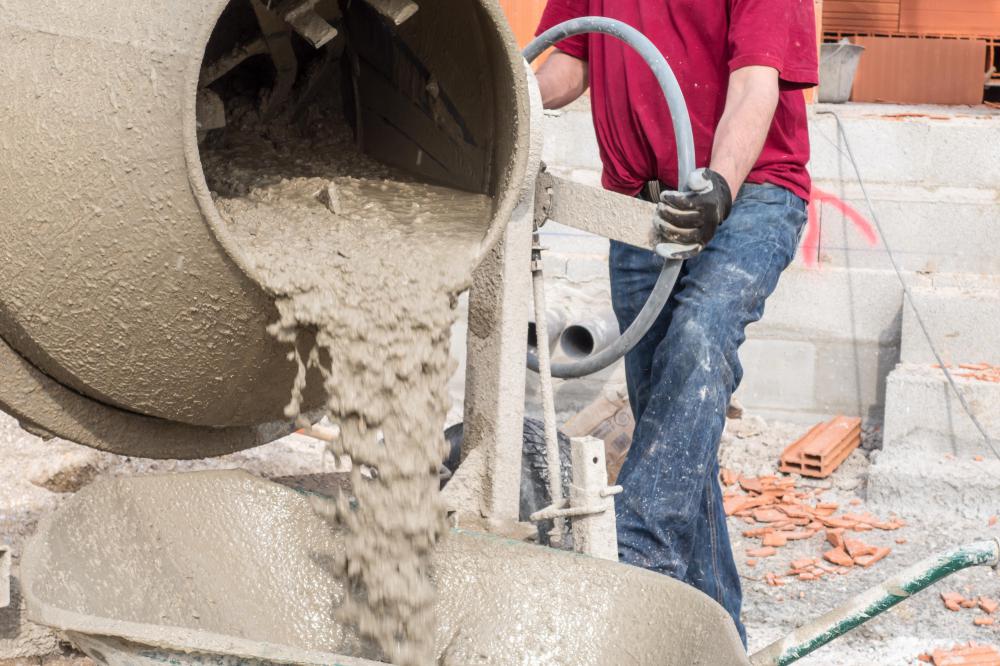
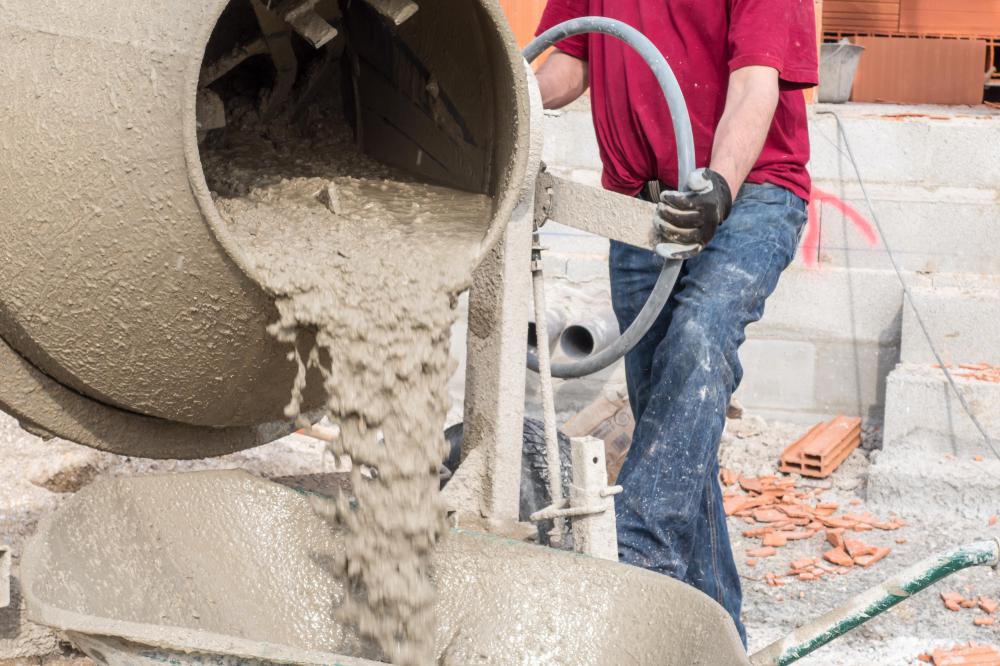
Concrete established itself as one of the prime and foundational materials in construction today. Anything that stands and can support the weight of buildings is powered by—one way or another—concrete. How does it differ from the good old mortar? The primary point of difference between the two is that concrete is stronger than mortar. Concrete is a mix of fine sand, cement, gravel or crushed coarse stone, and water. Mortar, on the other hand, has only sand in its composition.
How important is concrete in today’s construction projects?
The road we drive and walk on, the buildings that scrape the sky, the bridges we cross, and the floors we stand on are made of concrete. Any structure that stands to hold weight has concrete. The world’s tallest standing building, Dubai’s Burj Khalifa, has concrete supporting its massive weight. Your favorite corner store is standing because of concrete.
Another reason why concrete is so important in construction projects is that it is reasonably priced. The strength it has is enough to support the heaviest structures without the heavy cost. All those factors make concrete a flexible and versatile construction material. No structure can stand without it. With the modern-day attitude on building taller buildings to save land space, the popularity of concrete will not see its dark days any time soon.
How is concrete made?
The popular material is made using natural ingredients such as sand, stones, and water. To the environmentally aware, concrete is an ideal material because it is highly recyclable. Crushed concrete can be used to prepare new concrete. For projects that use concrete and require meticulous concrete repair to maintain stability, it is not a hassle because, for one, concrete is inexpensive. Second, the repair will not produce waste that cannot be reused.
What are the different types of concrete?
Here are the top widely used types of concrete that can be seen in common structures:
- Plain concrete. This is the most straightforward type of concrete that does not require reinforcement. The common mix for this type is cement, sand, stones, and water. Plain concrete is usually seen in the construction of pavements, walk paths, and buildings that are standing in areas that do not require structures to have high amounts of strength under pressure.
- Normal-strength concrete. This is like plain concrete in terms of ingredients and preparation. For normal-strength concrete, there is a set initial setting time of 30 to 90 minutes, which can vary according to the mixture’s properties and current weather conditions at the time of setting.
- High-strength concrete. This type of concrete is prepared by decreasing the portion of water in the concrete mixture. The high-strength concrete is not as sturdy as normal-strength because of the change in the formula, which causes its quality to decrease. This type of concrete requires more maintenance than the other types.
- Rapid-strength concrete. For construction projects that require foundational strength to form within a short time span, rapid-strength concrete is the way. This type of concrete acquires the strength to withstand pressure within a few hours of preparation. This helps with the quicker construction of buildings and rods. See road repairs? They use rapid-strength concrete to ensure the road will be ready for use in no time.
- High-performance concrete. This type of concrete follows strict standards about its quality—the amount of time it takes to acquire strength, ease of placement, durability, and life cycle. High-performance concrete is used for structures that need environmental effects proofing.
- Asphalt concrete . The roads, airport runways, and parking lots use asphalt concrete. It is suitable for the material wheels are made of, making them popular materials for the construction of the mentioned structures.
- Reinforced concrete. This type of concrete includes steel rods, meshes, bars, or fibers to improve its strength. It is used in the construction of ceilings, columns, bridges, and other structures that need high levels of strength to support astronomical weights.
- Pumped concrete. This type of concrete is highly workable and is used in the construction of high-rise buildings. Pumped concrete has a high concentration of water to allow it to be pumped from pipes or hoses.
Will concrete ever lose the hype?
With the abundance of high-rise constructions, strength and stability will become a prime priority in construction. These days, the reliability of concrete is undeniable. Its popularity as a construction staple will not go away any time soon, as it exists in everything that stands today.
Meta title: The Importance of Concrete in Construction
Meta desc: Gone are the days when we only had mortar at our disposal. We have concrete with varying characteristics now. How do we know about where it is used?


 George